
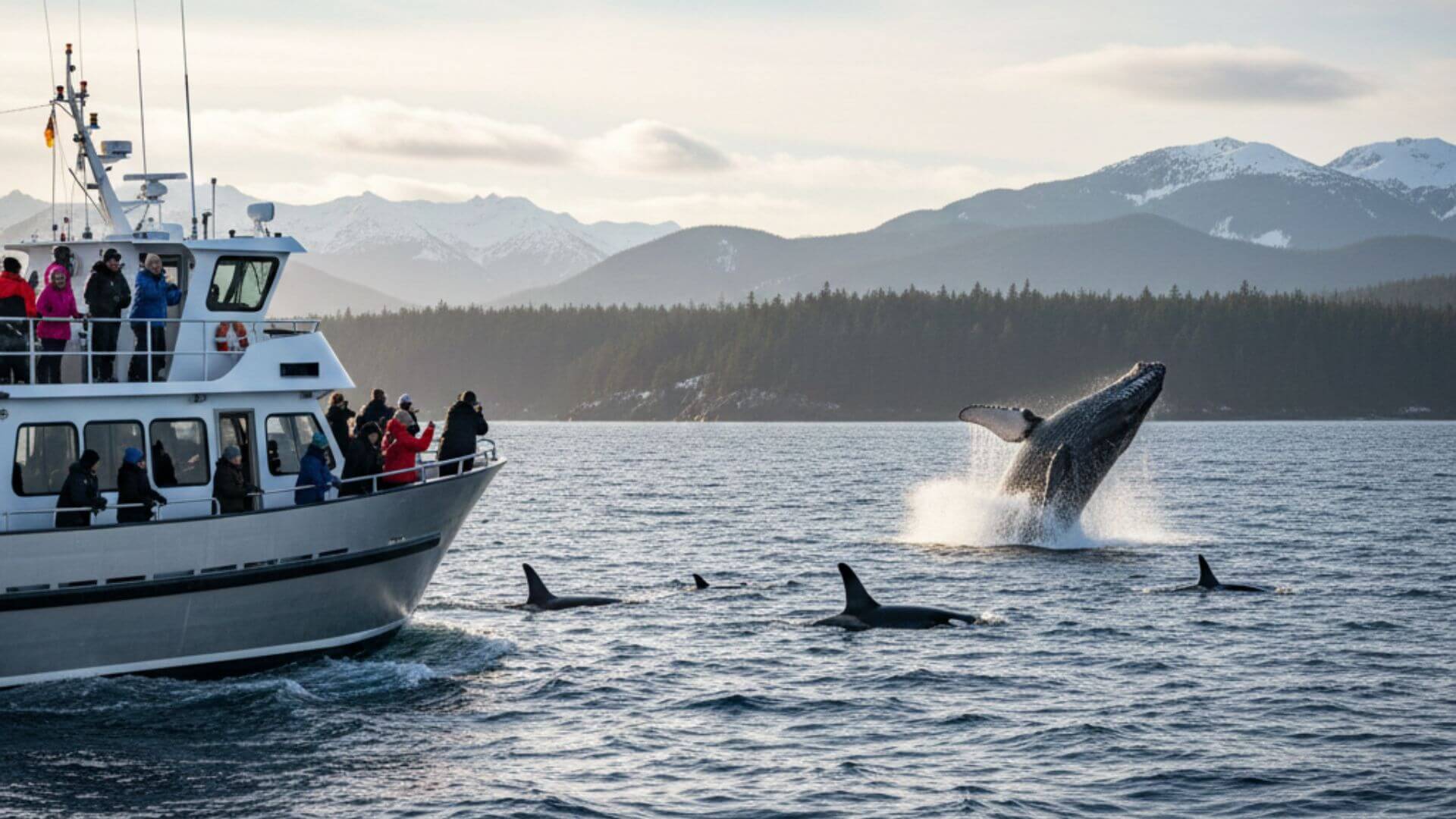
Is December a good time to go whale watching in San Diego? It’s a fair question. Winter months don’t always come to mind first when planning outdoor activities on the water. But December offers something distinct: a whale watching experience focused on migration, clearer behavioral patterns, and calmer conditions rather than peak-season variety.
December marks the beginning of gray whale migration along the California coast. San Diego sits directly along this route, which means whale watching in San Diego during winter isn’t a compromise, it’s an intentional experience built around one of the ocean’s most remarkable seasonal movements.
If witnessing the start of the gray whale migration is on your list, December San Diego whale watching tours offer a direct opportunity to experience this seasonal movement firsthand. Reviewing available winter departures early helps you plan around migration timing and preferred dates.
What’s Happening Off The Coast of San Diego in December

December whale watching centers on gray whale migration. These whales begin their southbound journey from Arctic feeding grounds toward the warm, shallow lagoons of Baja California, where they’ll give birth and nurse their calves. The migration follows a predictable coastal route that runs relatively close to Southern California, making sightings accessible throughout the winter months.
Marine research from NOAA Fisheries shows that gray whales travel with clear direction and purpose during migration. Unlike feeding seasons where whales may scatter across large areas searching for food, migrating whales follow established paths. This creates more sustained sightings once whales are located.
Gray Whale Sightings Near the Coast and Shorelines
The National Park Service notes that migrating gray whales often travel closer to shore than during other seasons, sometimes passing within a few miles of the coast. This proximity, combined with their steady movement patterns, makes December a surprisingly reliable time for whale watching despite cooler air temperatures and fewer total species present.
Understanding this ecological context changes how you experience the day. Sightings aren’t random luck—they’re the result of being in the right place during an annual journey that’s been happening for thousands of years.
Because gray whales follow these consistent nearshore routes year after year, December whale watching is less about hoping for a sighting and more about timing your trip to coincide with a known migration pattern. Planning a tour during this period allows you to take advantage of the whales’ proximity to the coastline and experience this long-established journey from the water, rather than relying on unpredictable offshore encounters.
What You’re Most Likely to See Whale Watching in December
December sightings in San Diego typically show whales moving steadily at the surface, blowing several times before diving for 3–5 minutes, then resurfacing to continue their journey. This pattern repeats consistently, allowing extended observation once a whale is located.
In addition to whale sightings, common dolphins appear year-round in San Diego waters and remain active during winter months. They’re often encountered during transit or near areas where baitfish concentrate.
Sea lions, harbor seals, and various seabirds also frequent winter waters, following migration corridors and feeding opportunities created by seasonal ocean conditions. You’ll also have a chance to spot humpback whales, fin whales, and minke whales along the way.
Wild Pacific Whale Watch maintains a sightings log that shows real-world December activity. These logs provide transparent confirmation of what guests actually see rather than marketing promises about what might appear.
The California Department of Fish and Wildlife tracks gray whale presence along the coast and confirms their yearly migration patterns through California waters. December sightings aren’t anomalies, they’re part of a predictable seasonal movement supported by decades of observation.
Winter Conditions on the Water (and Why They’re Manageable)
Cooler air offshore is the most noticeable difference between December and summer whale watching. Temperatures on the water typically range from the mid-50s to low 60s Fahrenheit, with wind exposure making conditions feel cooler than the thermometer suggests.
Conditions tend to remain steady rather than fluctuating dramatically. December generally brings clearer skies, calmer seas compared to stormy late-winter months, and consistent weather patterns that make planning straightforward. The biggest comfort factor is wind. Offshore breezes feel stronger on open water, so layering becomes essential.
Modern whale watching vessels include both indoor and outdoor spaces, allowing you to move between climate-controlled cabins and open decks as conditions shift. You’re not locked outside for the entire tour. When wind picks up or you need to warm up, indoor seating provides comfortable refuge while still maintaining views through large windows.
As San Diego’s most passenger-focused whale watching vessel, Wild Pacific Whale Watch’s Peregrine was built to prioritize comfort, visibility, and ease of movement throughout the tour. Spacious indoor cabins, wide viewing windows, and multiple outdoor deck areas allow guests to adjust naturally as conditions change. Whether you’re stepping inside to warm up between sightings or heading back out on deck when activity picks up, the vessel supports a relaxed, flexible experience that keeps attention on the wildlife rather than the elements.
Essential Tips for a Comfortable December Tour
To ensure you have the most enjoyable experience possible on the water in December, a little preparation goes a long way. Since the air temperature is cooler and wind chill can be a factor, focus on smart layering and essential gear.
Items to Consider Bringing:
- Camera/Binoculars: The migration is a steady event, offering excellent photo opportunities. Binoculars will enhance your view of distant spouts and movements.
- Sunscreen/Lip Balm: Even on cloudy days, UV exposure is high on the water.
- Motion Sickness Remedies: If you are prone to seasickness, take preventative medication an hour before departure. December seas are generally calmer, but individual sensitivity varies.
- Drinks: While some tours offer concessions, bringing your own water is always a good idea.
Is December Whale Watching in San Diego a Good Fit for You?
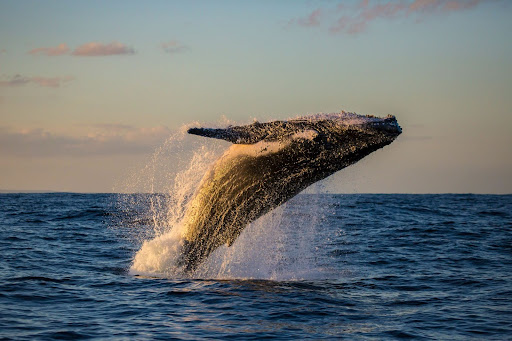
December whale watching isn’t a compromise. It’s a distinct seasonal experience where migration adds meaning to every sighting. You’re not just seeing whales, you’re observing them during a specific chapter of their annual cycle, traveling with clear purpose toward destinations that matter for their survival.
December whale watching works especially well for people who value calm observation over constant activity. If you appreciate the migration context, enjoy quieter conditions without summer crowds, and don’t mind cooler weather, December offers an ideal experience.
If December whale watching aligns with what you’re looking for, this is the right time to plan your trip. Wild Pacific Whale Watch December tours provide a front-row view of the gray whale migration as it passes San Diego’s coastline. Reserving a spot in advance helps ensure availability during peak migration weeks.
FAQs: December Whale Watching in San Diego
Is December too cold for whale watching?
December brings cooler air temperatures offshore, typically ranging from the mid-50s to low 60s Fahrenheit. Wind exposure makes conditions feel cooler than the thermometer suggests, but proper layering handles this comfortably. Modern vessels include indoor, climate-controlled spaces where you can warm up between outdoor observation periods.
Are whales closer to shore in winter?
Gray whales often travel closer to shore during migration compared to feeding seasons. The National Park Service notes that migrating whales sometimes pass within a few miles of the coast as they follow established routes between Arctic and Baja waters. This proximity, combined with their predictable travel patterns, makes December sightings accessible without traveling far offshore. However, exact distances vary daily based on ocean conditions and individual whale behavior.
Do December tours still see dolphins?
Yes. Common dolphins maintain year-round populations in San Diego waters and remain active throughout winter months. They’re often encountered during transit or near areas where baitfish concentrate. While December tours focus primarily on gray whale migration, dolphin sightings remain common as additional wildlife encounters. Other marine life including sea lions, harbor seals, and various seabirds also appear regularly during winter tours.
How long are December whale watching tours?
Most December whale watching tours run 3–4 hours from departure to return, similar to other seasons. This provides adequate time to reach migration corridors, locate whales, and observe their behavior without rushing. Tour length remains consistent year-round, though specific itineraries may adjust based on where whales are actively traveling on any given day.
What happens if the weather changes during the tour?
Vessel operators continuously monitor weather conditions and prioritize guest safety. Modern whale watching vessels include indoor seating areas that provide shelter if wind or spray increases. Tours typically proceed unless conditions become unsafe, in which case operators may modify routes, shorten the trip, or reschedule. December generally brings more stable weather patterns compared to late-winter storm months, making sudden severe changes less common.
Can children enjoy December whale watching?
Yes. December’s calmer, more focused atmosphere can actually work well for children. Migration behavior is easier to understand and follow than complex feeding patterns, which helps maintain kids’ attention. The predictability of whale surfacing creates clearer expectations. Indoor spaces provide refuge when children need breaks from wind or cooler conditions. Parents should dress children warmly in layers and bring familiar snacks or comfort items for longer tours.
How far in advance should I book December tours?
December sees less demand than peak summer months, but booking 1–2 weeks in advance ensures availability, especially for weekends or holiday periods. Last-minute bookings are sometimes possible, though advance planning gives you better flexibility in choosing departure times and securing preferred dates. Book a December San Diego whale watching experience and witness the Gray Whale migration firsthand.