
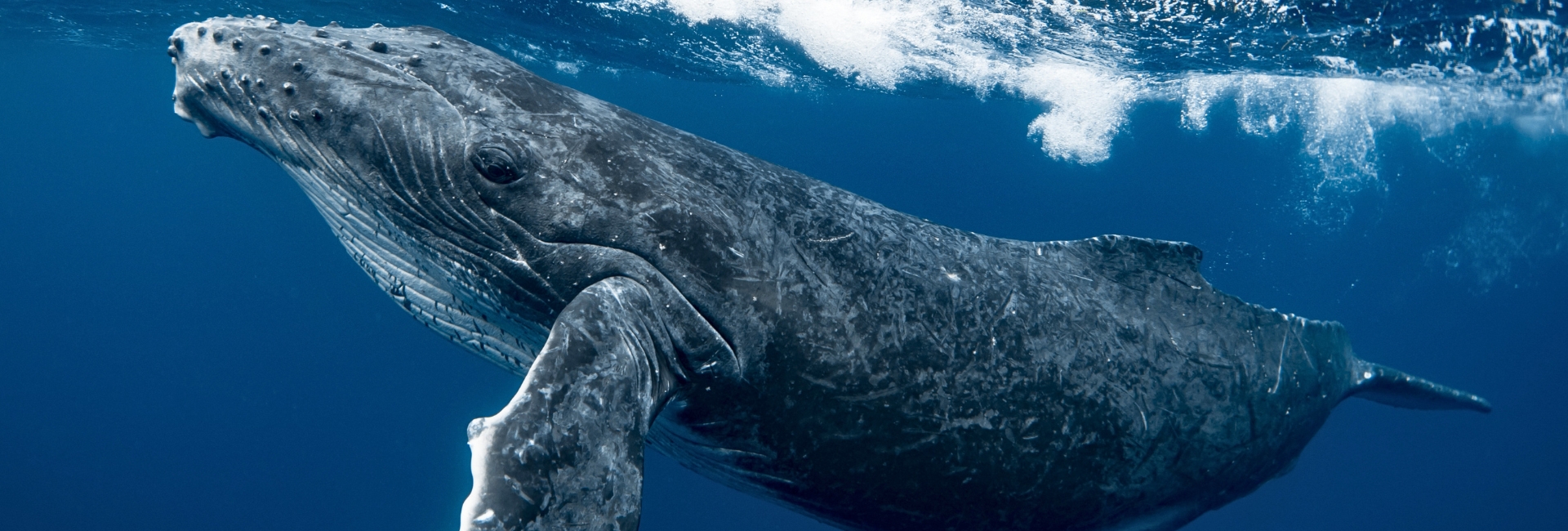
California stands as one of the world’s premier whale watching destinations, offering unparalleled opportunities to witness these magnificent marine creatures in their natural habitat. From December through May, thousands of gray whales undertake one of Earth’s longest mammal migrations, traveling over 12,000 miles between Arctic feeding grounds and breeding lagoons in Baja, Mexico.
Beyond seasonal migrations, California waters support year-round whale populations, making it possible to spot multiple species throughout every month of the year. The state’s geographic position directly along major migration routes, combined with nutrient-rich waters and unique coastal canyons, creates ideal conditions for whale watching.
Whether you’re on the rugged northern coast or sunny southern beaches, California delivers consistent opportunities for close encounters with these ocean giants. Wild Pacific Whale Watch offers year-round tours from San Diego with expert guides and comfortable vessels.
Top Whale Watching Locations in California
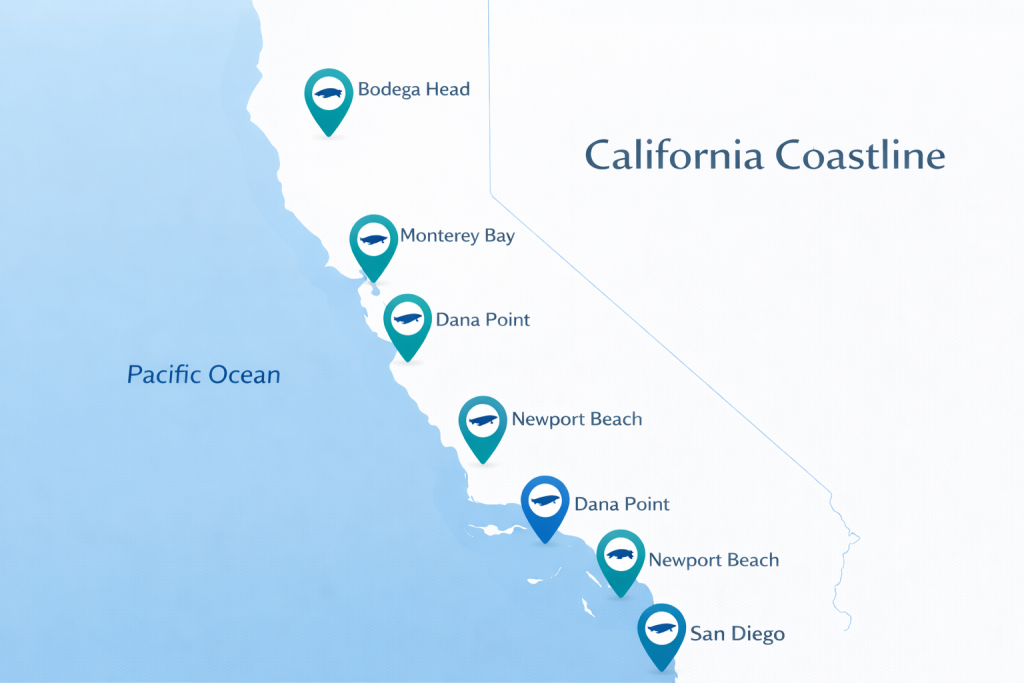
San Diego – A Year-Round Haven
San Diego sits directly along the gray whale migration path, offering exceptional viewing opportunities from December through April. The region serves as a natural gathering point where whales pass remarkably close to shore, making it one of California’s most accessible whale-watching destinations.
During the summer months, massive blue whales migrate to Southern California waters, feeding on krill and providing dramatic sightings from June through September. Wild Pacific Whale Watch provides specialized tours aboard the Peregrine, an 82-foot vessel equipped with twin Tohmei anti-rolling gyro stabilizers that dramatically reduce seasickness.
The experienced crew includes naturalist guides who provide marine education while ensuring responsible wildlife viewing practices. Tours depart from H&M Landing and typically run 3-4 hours, offering comfortable climate-controlled spaces and modern amenities. Cabrillo National Monument’s Whale Overlook provides excellent land-based viewing during the winter migration season, with elevated vantage points 300 feet above the ocean.
The combination of boat and shore-based options makes San Diego ideal for all types of whale watchers. Learn more about what sets San Diego whale watching apart from other California destinations.
Dana Point
Dana Point sits along the Southern California coast about an hour north of San Diego, offering whale watching along the same Pacific migration corridor. The area’s coastal cliffs provide a scenic backdrop for gray whale sightings during winter migration, and several local operators run tours from Dana Point Harbor for those exploring the Orange County coastline.
Monterey Bay
Monterey Bay sits along California’s central coast, where an underwater canyon creates upwelling conditions that support a variety of marine life. Humpback whales are a highlight during the summer months, and the bay offers opportunities to spot blue whales, fin whales, and killer whales, depending on the season. Weather can be unpredictable, with fog and wind more common here than in Southern California, so checking conditions before booking is worthwhile.
Newport Beach and Laguna Beach
These Orange County destinations offer year-round whale watching with regular encounters with blue whales, gray whales, and various dolphin species. Newport Beach’s proximity to deep marine protected areas makes it ideal for viewing multiple species on a single trip.
The calm harbor conditions and shorter transit times to whale habitat make these locations particularly family-friendly.
Northern California Coastal Parks
Salt Point State Park, Bodega Head, and various Sonoma County parks provide excellent shore-based whale watching. These accessible locations offer panoramic ocean views and volunteer-staffed viewing areas during migration season, perfect for those preferring land-based observation.
The dramatic coastal scenery adds to the experience, with rugged cliffs and crashing waves providing stunning backdrops for whale sightings.
Ready to experience California’s incredible whale watching? Book your San Diego whale watching tour aboard the state’s most advanced whale watching vessel.
Whale Species You’ll Encounter
Gray Whales
These remarkable cetaceans undertake the longest mammal migration on the planet, traveling from Alaska’s Bering Sea to Baja California’s breeding lagoons. Gray whales exhibit curious behavior, sometimes approaching boats closely, and produce distinctive heart-shaped blows visible from a distance.
Peak sightings occur from December through April during southbound migration and from February through May during northbound journey, when mother-calf pairs travel closer to shore for protection.
Blue Whales
The largest animals ever to exist on Earth, blue whales can reach 100 feet in length and weigh up to 400,000 pounds. These gentle giants migrate to California waters from May through September to feed on krill, consuming up to 4 tons daily.
Summer months provide the best opportunities for witnessing these spectacular creatures at close range, particularly off Southern California, where submarine canyons concentrate their prey.
Humpback Whales
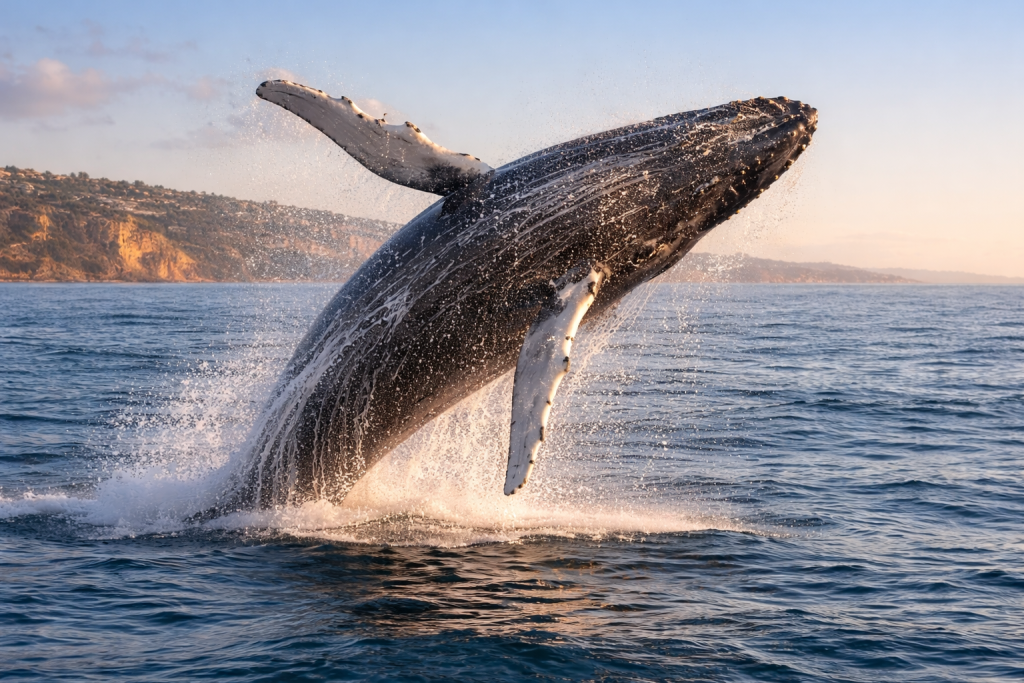
Known as the “ballerinas of the sea” for their graceful breaching behavior, humpback whales appear throughout spring and summer, with peak sightings from May through September.
They’re frequently observed feeding in energetic pods, performing dramatic breaches, tail-slaps, and pectoral fin displays. Humpbacks are highly vocal, producing complex songs audible even above water during breeding season.
Fin Whales and Minke Whales
The second-largest animals on Earth, fin whales appear throughout the summer and fall months, reaching lengths up to 70 feet. Smaller minke whales, the most common baleen whales at 25-30 feet, can be spotted year-round with increased frequency during summer. Minkes display playful behavior and sometimes make close approaches to shore and vessels.
Orca (Killer Whales) and Bryde’s Whales
Killer whales appear year-round in California waters, with peak sightings from April through May in some regions, particularly Monterey Bay. These apex predators travel in family pods and occasionally hunt marine mammals.
Rare Bryde’s whales become a possibility during late summer when water temperatures warm significantly, though sightings remain uncommon compared to other species.
Best Times for Whale Watching by Season
Winter (December-February): Peak Gray Whale Season
Winter offers the most reliable whale sightings, with gray whales dominating the migration. Southbound migration peaks in December-January as whales travel toward breeding lagoons, while the northbound journey begins in February.
The weather can be unpredictable with occasional storms, but the reward is frequent whale encounters, often visible from shore. This remains the best season for guaranteed sightings throughout California, particularly in Southern regions.
Spring (March-May): Calves and Humpbacks
Spring brings mother-calf pairs on their northbound journey, offering intimate viewing opportunities as they swim close to shore for protection. Visibility improves, seas calm, and humpback whales become increasingly common as they return to feeding grounds.
This season provides excellent conditions for families and visitors seeking comfortable viewing with high success rates and mild weather.
Summer (June-September): Blue Whales and Feeding Giants
Summer waters warm and attract massive blue whales migrating north from breeding grounds to feed on dense krill concentrations. This season delivers dramatic sightings with multiple species visible, including fin whales, humpbacks, and occasional killer whales.
Northern locations like Monterey Bay experience peak humpback activity with hundreds present to feed on abundant anchovies and sardines.
Fall (September-November): Transition and Fewer Crowds
Fall offers quieter conditions with fewer tourists and sometimes lower sighting rates as whales disperse, though whale activity continues throughout the season. September remains particularly productive for blue and fin whales before the fall transition to winter migration patterns begins. This shoulder season provides good value and uncrowded boats for those with flexible schedules.
Planning Your California Whale Watching Adventure
Choosing the Right Tour Operator
Select established companies with experienced naturalist guides, comfortable vessels equipped with stabilization technology, and strong conservation records. Look for operators offering daily departures, flexible cancellation policies, and sighting logs documenting recent encounters.
Reputable companies maintain proper distances from whales and follow NOAA guidelines, prioritizing animal welfare over close encounters. Many operators offer sighting guarantees or return vouchers, reflecting confidence in seasonal patterns and crew expertise.
Wild Pacific Whale Watch exemplifies these standards with state-of-the-art vessel features, including gyro stabilizers and climate-controlled spaces.
Essential Preparation
Dress warmly, ocean air remains cold regardless of land temperature, with wind chill on moving vessels dropping perceived temperatures significantly. Book early, as peak seasons fill quickly, especially during gray whale migration.
Take seasickness medication at least one hour before boarding, even on vessels with stabilization technology. Bring sunscreen, hats, and polarized sunglasses as UV reflection increases over water. Secure camera equipment with straps to prevent loss at sea. Check weather forecasts, as mornings typically feature calmer seas ideal for observation.
What to Expect During a Tour
Most tours last 3-3.5 hours, departing from harbors throughout California’s coastline. Expert crews provide narration about whale behavior, ocean ecology, and conservation efforts. Comfortable vessels feature indoor climate-controlled seating, outdoor observation decks with 360-degree views, and onboard restrooms.
While whale sightings cannot be guaranteed due to wildlife unpredictability, reputable operators maintain high success rates with multiple species often visible on single trips.
Conservation and Responsible Whale Watching
California’s whale watching industry operates under strict marine mammal protection guidelines established by NOAA and the Marine Mammal Protection Act. Responsible operators maintain safe distances of at least 100 yards from most whales, avoid disrupting feeding or breeding behaviors, and prioritize animal welfare over entertainment value.
Many tour companies contribute to marine research and conservation efforts, helping fund whale population studies and habitat protection initiatives. When whale watching, support operators demonstrate a genuine commitment to conservation education and marine ecosystem protection.
Your participation in responsible tourism directly supports whale protection initiatives and helps ensure these magnificent creatures remain accessible for future generations. For more information on responsible whale watching practices, choose operators with strong environmental records.
Frequently Asked Questions
What’s the best time of year for whale watching in California?
December through April offer peak gray whale migration sightings throughout California, while June through September deliver dramatic blue whale encounters, particularly in Southern California. However, California provides genuine year-round whale watching opportunities with different species visible during every season.
Can you see whales from shore?
Yes. Locations like Cabrillo National Monument, Point Vicente Interpretive Center, Bodega Head, and numerous state coastal parks offer excellent shore-based viewing, especially during winter gray whale migration when whales travel close to shore. Land-based viewing is free but provides more distant sightings compared to boat tours.
How close do whales actually get during tours?
Federal regulations require vessels to maintain safe distances, typically 100 yards or more from whales. However, curious whales sometimes approach boats voluntarily, creating thrilling close-range observations. Responsible operators never chase or harass whales to force closer encounters.
What’s the difference between professional whale watching tours and DIY observation?
Professional operators provide expert naturalist guidance, comfortable vessels with amenities, significantly higher sighting rates, and educational narration about marine biology and conservation. Land-based observation is free and accessible but limited by whale behavior, distance from migration routes, and lack of mobility to follow whale movements.
Are whale watching tours suitable for children?
Most tours accommodate families well, though tours lasting 3+ hours and ocean motion may challenge very young children or those prone to seasickness. Modern vessels with stabilization technology minimize motion concerns. Many operators offer family-friendly amenities and engaging educational programs designed for younger passengers.
Can you see multiple whale species on one tour?
Absolutely. Especially spring through fall, single tours frequently encounter gray whales, blue whales, humpbacks, fin whales, dolphins, and seals together. California’s biodiversity means multiple species often share feeding grounds, creating exceptional viewing opportunities for diverse marine wildlife.
What happens if we don’t see whales?
Reputable operators offer rain checks or return vouchers if no whales appear during tours, though this occurs rarely during peak seasons. Most tours encounter at least dolphins, sea lions, or other marine life, even without whale sightings. Success rates typically exceed 90% during optimal seasons.
Is whale watching expensive?
Tours range from $50-150+ per person depending on duration, location, departure time, and vessel type. Three to four-hour tours typically cost $75-100 per adult. Private charters cost significantly more but offer customized experiences for special occasions. Most operators offer family packages and group discounts.
Experience California’s World-Class Whale Watching
California’s position along major Pacific migration routes, combined with year-round whale presence and exceptional weather, creates unmatched whale watching opportunities found nowhere else on Earth.
Whether you visit during peak gray whale season, summer blue whale feeding, or transition periods featuring multiple species, understanding seasonal patterns and choosing experienced operators ensures memorable encounters with these magnificent creatures.
From San Diego’s accessible year-round viewing to Monterey Bay’s incredible biodiversity, California offers whale watching experiences for every preference and schedule. Start planning your California whale watching adventure and discover why this coastline ranks among the world’s finest destinations for observing whales in their natural habitat.