
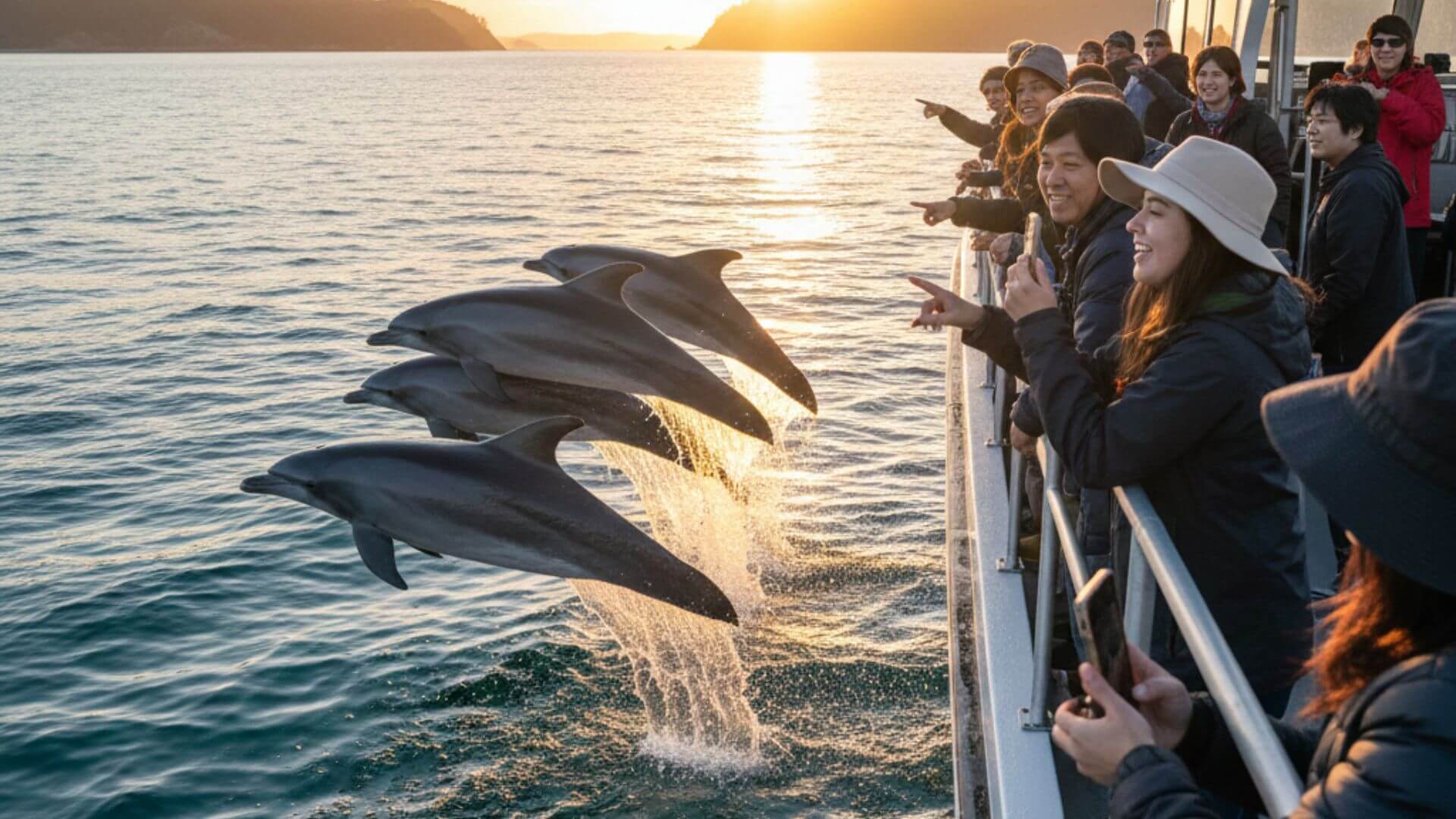
When is the best time to see dolphins in San Diego? It’s a natural question, and one that assumes dolphins follow a predictable schedule like migrating whales. The reality is more interesting.
Multiple dolphin species, such as common dolphins, bottlenose dolphins, and Pacific white-sided dolphins, maintain populations along the Southern California coast throughout the year. Rather than arriving and departing on a fixed calendar, what changes is how they behave, where they travel, and how visible they are on any given day.
This is good news for anyone hoping to see dolphins during a San Diego whale watching tour. Sightings happen year-round, though the nature of each encounter varies based on ocean conditions, dolphin behavior, and time of day. Understanding these factors helps you know what to expect and appreciate the experience when it happens.
Dolphins Are Present Year-Round, Just in Different Ways
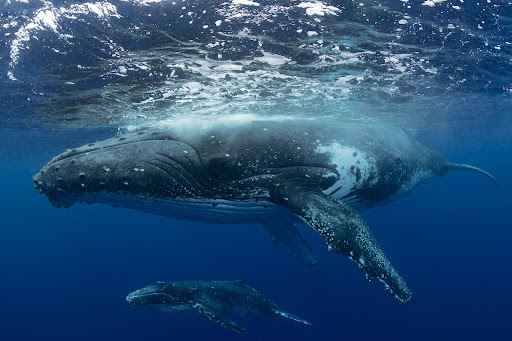
Unlike gray whales that migrate south each winter or blue whales that appear during specific summer months, dolphins don’t follow a seasonal migration pattern in San Diego waters. They’re residents, maintaining populations here throughout the year because the ocean conditions consistently support their needs.
Marine researchers at institutions like NOAA Fisheries and Scripps Institution of Oceanography have documented how dolphins respond to prey availability rather than seasonal temperature changes. When baitfish schools concentrate in an area, dolphins follow, and when prey disperses, dolphins range more widely across the ocean. This creates natural day-to-day variation in where dolphins appear and how they behave.
You might see dolphins close to shore one day and farther offshore the next. A tour might encounter a large, active pod one week and smaller groups traveling quietly the next, all within the same month. This variation reflects the dynamic nature of the marine environment rather than seasonal presence or absence.
This means that the best time to see dolphins has more to do with understanding their behavior than picking the right month on a calendar.
Why Morning Tours Often Offer Great Dolphin Watching
While dolphins are active throughout the day, many guests notice that morning tours tend to offer particularly good viewing conditions. Morning hours often bring calmer seas, making it easier to spot dolphins when they surface. Wind typically picks up as the day progresses, creating surface chop that can obscure brief appearances.
Morning light also helps. Early sun creates less glare on the water compared to the intense midday rays, making it easier to scan the horizon and spot fins, splashes, or movement in the distance. Since dolphins surface quickly and unpredictably, these visibility factors make a real difference in how well you can track their activity.
Dolphins also tend to feed actively in the morning, which can lead to more surface activity, such as leaping, bow-riding, or traveling in tight groups. This doesn’t mean afternoon tours won’t see dolphins. It simply means morning conditions often align well with both dolphin behavior and ideal observation circumstances.
How Seasons Affect Dolphin Encounters
While dolphins are present year-round, seasonal ocean conditions influence how encounters tend to unfold.
Summer
Summer months often bring larger pods and more visible surface activity. Warmer water temperatures support extended movement, and dolphins may bow-ride, leap, or engage in social behaviors more frequently. Baitfish schools tend to concentrate near the surface during summer, sometimes drawing dolphins into active feeding that creates dramatic displays. Longer daylight hours and generally calmer seas also mean better overall visibility.
Winter
Winter encounters may involve smaller groups, but sightings remain common. Dolphins sometimes travel closer to vessels during this season, creating quieter but more intimate observations. You might see fewer dramatic leaps, but dolphins often approach boats more closely or travel alongside for extended periods.
Spring and Fall
Spring and fall represent transitional periods. Upwelling events bring nutrient-rich water toward shore, concentrating prey and often drawing dolphins into predictable feeding areas. These seasons can offer a balance between the active energy of summer and the close proximity sometimes seen in winter.
The key insight is that seasonal patterns exist, but they don’t create windows when dolphins are absent. Instead, they shape the type of encounter you’re likely to have.
Where You’re Most Likely to See Dolphins Swimming
Dolphins are typically encountered in open water beyond the bay, often during transit between locations or near areas where seabirds are actively diving and feeding. Bird activity frequently signals the presence of baitfish schools, which naturally attract dolphins.
Unlike whale watching, where a vessel might spend extended time observing a single whale, dolphin encounters tend to happen more quickly. Dolphins surface briefly, travel fast, and cover significant distances. Spotting them often means staying alert, watching for surface disturbances, and following the cues that experienced crews recognize from years on the water.
Planning Your Trip
When planning your dolphin watching trip, a few simple considerations can help:
- Morning departures generally offer the best combination of calm seas, good light, and active dolphin behavior. If your schedule allows, booking an early tour often provides ideal conditions.
- Any season works. Don’t worry about timing your trip to a specific month. Dolphins are present and active year-round, and each season offers something different.
- Come prepared. Bringing the right essentials and dressing appropriately for conditions helps you stay comfortable and focused on the water, which matters when dolphin activity happens quickly.
- Stay patient and attentive. Dolphins appear unpredictably. The experience rewards sustained attention and a willingness to watch and wait rather than expecting constant action.
The best time to see dolphins in San Diego is whenever you’re ready to head offshore with realistic expectations and genuine curiosity about what the ocean might reveal.
That openness, combined with the consistent presence of dolphins in these waters, creates opportunities for memorable encounters throughout the year. If you’re looking for a premier viewing experience, Wild Pacific Whale Watch offers unforgettable trips further north.
Setting Yourself Up for a Great Experience
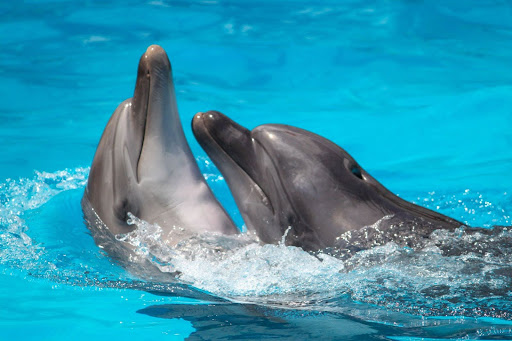
Ready to experience the Pacific’s resident dolphins firsthand? While these playful marine mammals are present year-round, knowing that morning tours often provide the best viewing conditions can help you plan.
The key is understanding their dynamic, year-round presence, not picking a specific month. Set your sights on an unforgettable day on the water; check out the latest tour schedules with Wild Pacific Whale Watch and discover the best time for your adventure.
FAQs: Dolphin Watching in San Diego
What time of day is best for seeing dolphins?
Morning departures often provide the best conditions for dolphin watching. Early hours typically bring calmer seas, better lighting with less glare, and more active feeding behavior from dolphins. Wind tends to increase throughout the day, creating surface chop that makes it harder to spot brief surfacing events. That said, dolphins are active throughout the day, and afternoon tours regularly encounter them as well.
What is the best month to see dolphins in San Diego?
There isn’t a single “best month” because dolphins are present and active year-round. The quality of your encounter depends more on daily ocean conditions, dolphin behavior, and visibility factors than on the specific month.
How long do dolphin encounters typically last?
Dolphin encounters vary significantly. Unlike whales that may remain visible at the surface for extended periods, dolphins surface briefly, often just seconds at a time, before diving again. An encounter might last a few minutes if dolphins are traveling parallel to the boat or bow-riding, or it might be a series of quick sightings as dolphins move through the area. Understanding that dolphins naturally move fast and surface unpredictably helps you appreciate these dynamic, energetic interactions.
What is bow-riding?
Bow-riding is a behavior where dolphins swim in the pressure wave created by a moving vessel’s bow. Dolphins often position themselves just ahead of the boat, riding the wave without expending much energy. It’s a form of play and energy conservation that dolphins seem to enjoy, and it creates close-up viewing opportunities when it happens. Not all dolphin encounters include bow-riding, but when it does occur, it offers some of the most memorable moments of any trip.
What’s the difference between dolphin watching and whale watching?
Dolphin and whale watching often happen on the same tours, as both animals inhabit San Diego’s offshore waters. The main difference is behavior. Whales are larger, surface more slowly, and may remain visible for longer periods between dives. Dolphins are smaller, faster, and surface briefly before diving again. Whale watching tours regularly encounter dolphins during transit or while searching for whales, making many trips a combined marine wildlife experience rather than focusing exclusively on one species.
Do I need binoculars to see dolphins?
Binoculars aren’t required but they enhance the experience. Dolphins often appear at distances where details become clearer with magnification. Compact binoculars help you track movement, spot distant pods, and follow dolphins as they travel across the water. That said, many dolphin encounters happen close enough to the vessel that you can see them clearly with the naked eye, especially during bow-riding or when dolphins approach the boat.
What should I bring for dolphin watching?
The essentials for dolphin watching are the same as for any offshore wildlife tour. Bring layers for changing conditions, sunscreen, sunglasses, a reusable water bottle, and any motion comfort items if you’re sensitive to boat movement. A camera or smartphone with a secure strap helps capture quick moments when dolphins surface or leap. For complete guidance, contact Wild Pacific Whale Watch.