
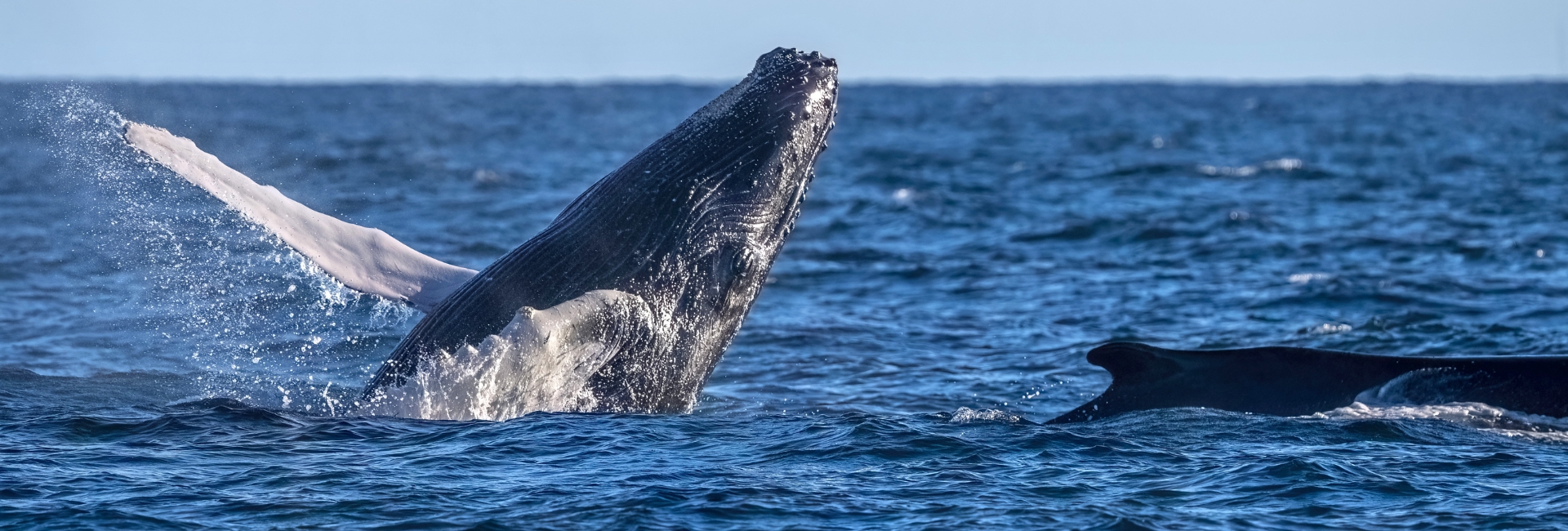
Whale watching attracts millions to America’s coasts each year. Whether you’re a nature enthusiast, wildlife photographer, or seeking an unforgettable ocean experience, the U.S. offers world-class whale-watching destinations. From breaching humpbacks to massive blue whales, knowing where and when to go makes all the difference.
This comprehensive guide explores the 10 best whale-watching locations across the U.S., featuring year-round opportunities along both coasts and seasonal peaks that maximize your chances of encountering these gentle giants.
If you’re considering San Diego, our top pick, Wild Pacific Whale Watch offers expert-led tours with year-round sightings.
1. San Diego, California
What You’ll See
San Diego offers whale watching year-round, featuring multiple species. Gray whales migrate from mid-December to April, traveling over 10,000 miles between Alaska and Baja California. During the summer months, blue whales, the largest animals on Earth, arrive to feed on dense concentrations of krill found offshore.
Additionally, humpback whales, fin whales, and minke whales can be spotted throughout the year, making San Diego one of the few destinations where visitors can encounter several species in any season.
The region’s mild climate and diverse marine ecosystem provide ideal conditions for consistent whale sightings. Common dolphins, bottlenose dolphins, and Pacific white-sided dolphins frequently join the tours, often riding alongside the vessels.
Best Time to Visit
The peak gray whale season occurs from mid-December to April, with the highest concentration of migrations between January and March. Blue whale season peaks from May to September, making the summer an excellent time for families looking for calm seas and great visibility.
Wild Pacific Whale Watch also offers sunset departures during the summer months, providing a uniquely memorable way to experience the offshore waters. San Diego’s year-round temperate weather ensures comfortable conditions no matter the season.
How to Experience It
Wild Pacific Whale Watch operates from H&M Landing near downtown San Diego aboard the Peregrine, an 82-foot vessel equipped with twin Tohmei anti-rolling gyro stabilizers that dramatically reduce seasickness. Tours typically run 3-4 hours, with experienced naturalists providing marine education and ensuring responsible wildlife viewing.
The vessel features climate-controlled indoor spaces, comfortable seating, and modern amenities that ensure an enjoyable experience in all conditions. Shore-based viewing is possible at Cabrillo National Monument’s western overlook during peak migration, though boat tours offer closer encounters and higher sighting rates.
Ready to experience San Diego’s world-class whale watching? Book your tour with Wild Pacific Whale Watch and witness these magnificent creatures in their natural habitat.
2. Cape Cod and Stellwagen Bank, Massachusetts
What You’ll See
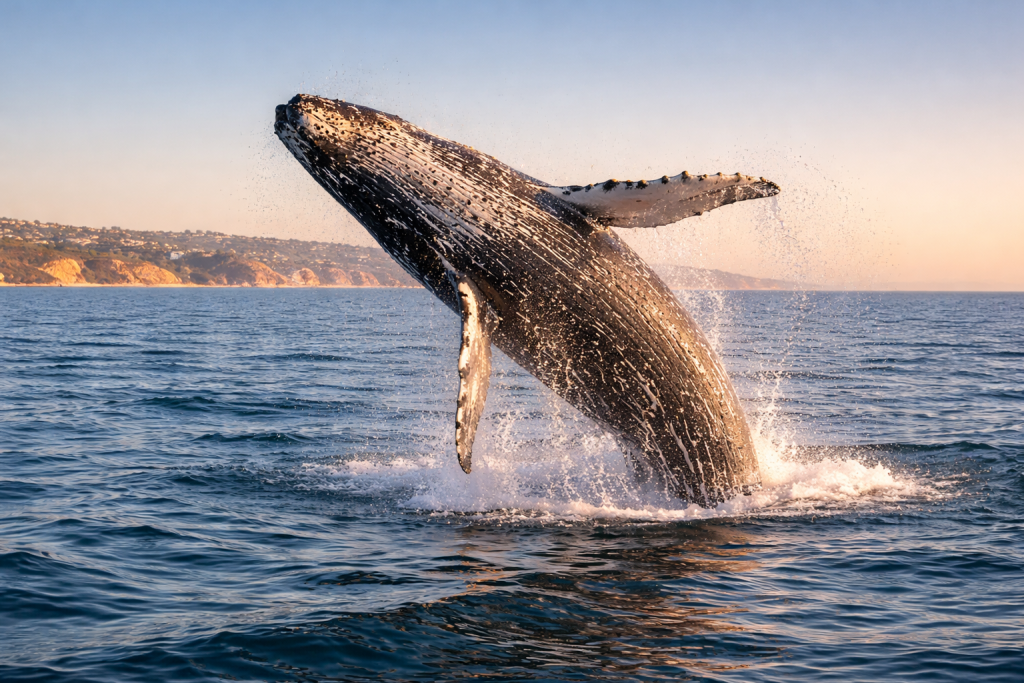
The Stellwagen Bank National Marine Sanctuary protects 842 square miles of productive whale habitat. Visitors commonly encounter humpback whales performing dramatic breaching, tail-slapping, and bubble-net feeding. Minke whales, fin whales, and occasionally critically endangered North Atlantic right whales also frequent these nutrient-rich waters.
Best Time to Visit
May through October is peak season, with tours from Provincetown offering virtually guaranteed sightings. Some operators report 99% success rates during peak periods when dense prey concentrations attract massive whale populations.
How to Experience It
Numerous tour operators depart from Provincetown with experienced naturalists providing educational commentary. Tours last 3-4 hours and venture into the heart of Stellwagen Bank. Land-based viewing is possible along Cape Cod’s coastline, though boat tours provide significantly better encounters.
3. Juneau, Alaska
What You’ll See
Alaska’s capital provides access to humpback whales and orcas in pristine wilderness settings. The region’s dramatic backdrop of glaciers, mountains, and temperate rainforest enhances the authentic wildlife experience, creating truly memorable encounters with feeding humpbacks and hunting orca pods.
Best Time to Visit
May through September offers optimal conditions for spotting both species. Peak abundance occurs during summer when salmon runs attract orcas and dense plankton blooms draw humpbacks. Some whales remain year-round, but summer provides the practical season for tours.
How to Experience It
View humpback whales from shore at Amalga Harbor or along the Rainforest Trail. For closer encounters, book guided boat tours departing from downtown Juneau. Many operators combine whale watching with glacier viewing for comprehensive Alaska experiences.
4. San Juan Islands, Washington
What You’ll See
Orcas are the primary attraction, with three resident pods (J, K, and L) totaling roughly 75 individuals. Lime Kiln Point State Park, known as “Whale Watch Park”, is recognized as one of Earth’s best land-based whale-watching locations. Humpback and minke whales also pass through during migration periods.
Best Time to Visit
May through September provides optimal viewing when salmon runs attract resident orca pods. Summer weekends bring crowds, so weekday visits or shoulder seasons offer better experiences. Orcas appear year-round but become less predictable during winter.
How to Experience It
Lime Kiln Point State Park offers exceptional shore-based viewing with naturalist-led whale talks twice weekly during summer. Multiple boat tour operators depart from Friday Harbor and Roche Harbor, providing closer encounters and flexibility to follow whale movements.
5. Monterey Bay, California
What You’ll See
Monterey Bay’s submarine canyon creates upwelling conditions supporting extraordinary marine diversity. The bay hosts over 27 whale and dolphin species. Humpback whales, blue whales, gray whales, and orcas appear depending on season, while dolphins, sea otters, and seabirds provide constant wildlife activity.
Best Time to Visit
April through December brings humpback and blue whale feeding activity, with peak blue whale sightings from June through September. Gray whale migrations occur from December through April. Monterey Bay’s year-round whale presence makes it reliable regardless of season.
How to Experience It
Multiple professional operators based in Monterey Harbor provide 3-5 hour expeditions. Shore-based viewing exists along the Big Sur coast and Monterey Bay Coastal Recreation Trail, though boat tours significantly increase sighting probability.
6. Oregon Coast
What You’ll See
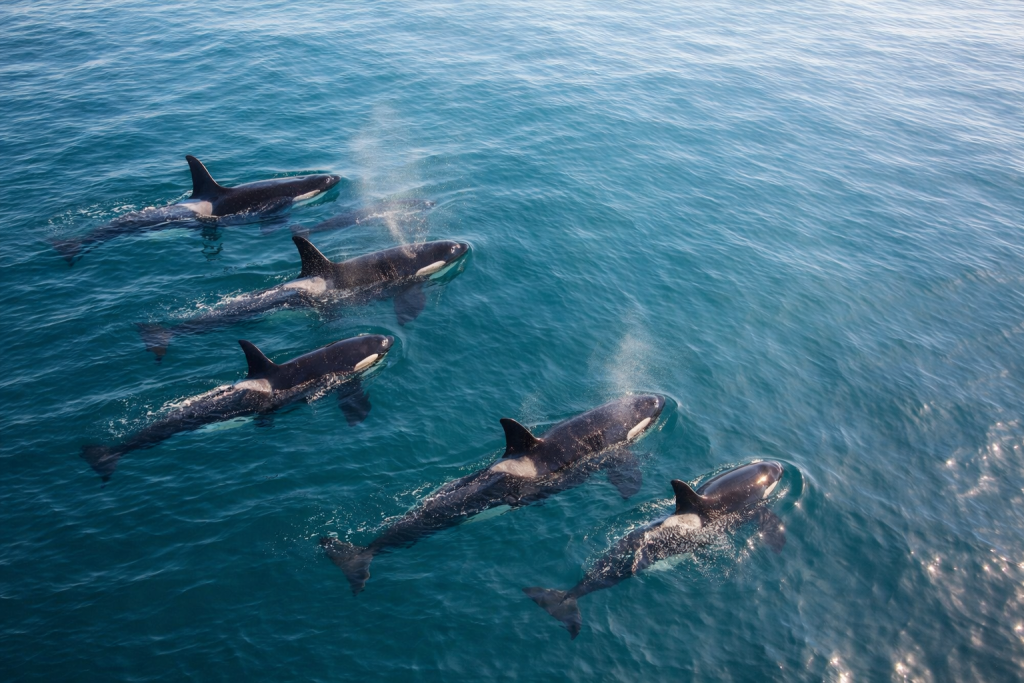
The Oregon Coast provides year-round opportunities with approximately 200 resident gray whales from June through mid-November. During peak spring migration, observers spot 30+ gray whales per hour from elevated coastal viewpoints. The dramatic coastline with rocky headlands makes Oregon unique among whale-watching destinations.
Best Time to Visit
Spring migration (March-May) offers the highest whale counts. Winter migration (December-January) brings whales south, though weather can be challenging. Summer resident whales (June-November) provide consistent sightings with better weather and calmer seas.
How to Experience It
Depoe Bay, the “Whale Watching Capital of the Oregon Coast,” offers both shore and boat-based options. The Oregon Parks system maintains 22 Whale Watching Spoken Here sites with trained volunteers and optimal vantage points.
7. Maui, Hawaii
What You’ll See
Maui attracts thousands of humpback whales during the winter breeding season. Hawaiian waters host 18 species of toothed whales and at least six baleen whale species. Humpbacks engage in spectacular breaching, pec-slapping, and competitive male displays in clear, warm waters.
Best Time to Visit
January through March represents peak humpback season, with whales visible even from shore. December and April bookend the season with fewer but still present whales. Summer sees virtually no humpback activity as whales return to Alaskan feeding grounds.
How to Experience It
Professional tour companies operate from Lahaina and Ma’alaea harbors. Strict regulations require vessels to maintain 100-yard distances. Shore-based viewing is remarkably effective from Papawai Point and McGregor Point during peak season.
8. Virginia Beach, Virginia
What You’ll See
Humpback whales migrate to Virginia Beach’s continental shelf waters from December through March. The warm Gulf Stream influence creates productive feeding areas. Bottlenose dolphins patrol year-round, providing consistent wildlife encounters outside humpback season.
Best Time to Visit
Mid-January represents the peak of humpback season, with December through March offering reliable sightings. Dolphin watching remains excellent year-round for visitors outside whale season.
How to Experience It
Book guided boat tours from Virginia Beach’s oceanfront, with 2-3 hour tours venturing offshore to continental shelf feeding areas. Winter whale-watching requires warm layers, as Atlantic conditions can be significantly colder than Pacific destinations.
9. Bar Harbor and Acadia, Maine
What You’ll See
The Gulf of Maine provides ideal feeding habitat for humpback, minke, and fin whales during summer. Rich cold-water upwelling concentrates prey species, attracting whales to feeding areas just 20 miles offshore. Atlantic white-sided dolphins and harbor porpoises enhance the marine wildlife experience.
Best Time to Visit
June through August offers peak whale abundance when krill, herring, and other food sources concentrate in cool waters. September extends the season with fewer crowds and spectacular fall foliage visible from boats.
How to Experience It
Tour boats depart from Bar Harbor with naturalist-led excursions lasting 3-4 hours. Land-based viewing is possible from Acadia National Park’s coastal trails, though boat tours provide substantially better encounters.
10. Point Reyes National Seashore, California
What You’ll See
Gray whales dominate migrations past this dramatic headland north of San Francisco. The Point Reyes Lighthouse and Chimney Rock areas provide some of California’s finest land-based vantage points, with elevated positions 300 feet above the ocean. On peak days, observers count dozens of whales per hour.
Best Time to Visit
Southbound migration (December-mid-February) brings whales close to shore. Northbound migration (mid-February-May) offers excellent viewing, with late April and early May ideal for observing mothers and calves. Mothers with newborns swim closest to shore, providing remarkable viewing.
How to Experience It
Point Reyes Headlands offer exceptional shore-based viewing without requiring boat access. The steep walk down to the lighthouse requires climbing 308 steps on return, but rewards visitors with unparalleled vantage points.
Planning Your Whale-Watching Adventure
Best Practices for Success
Timing significantly impacts sighting likelihood. Research your destination’s peak seasons before booking, as whale presence varies dramatically throughout the year. Many reputable operators offer sighting guarantees or return trip vouchers if whales aren’t spotted, though this is rarely necessary during peak seasons.
Professional guides enhance experiences through expert spotting abilities and marine biology knowledge. Naturalists identify individual whales, explain behaviors, and provide conservation context. Their expertise often means the difference between distant sightings and memorable close encounters.
What to Bring
Dress in layers even during warm seasons, as ocean temperatures remain cooler than land temperatures. Wind chill on moving vessels can drop perceived temperatures by 10-20 degrees. Bring binoculars for distant sightings, and sunscreen, as UV exposure increases over water due to reflection.
Take motion sickness medication 30-60 minutes before departure if you’re prone to seasickness. Modern vessels increasingly feature stabilization technology, but sensitive individuals benefit from preventive measures.
Responsible Whale Watching
Federal regulations require maintaining specific distances: 100 yards for most large whales, 200 yards for orcas, and 500 yards for right whales. Never chase or attempt to touch whales, as violations carry serious fines and harm these protected animals.
Choose operators certified through Whale SENSE programs, which indicate adherence to conservation practices and responsible viewing guidelines. Responsible operators prioritize whale welfare over close encounters.
Frequently Asked Questions
What’s the best time for whale watching in the U.S.?
Timing depends on location and target species. Summer (May-September) is optimal for West Coast blue whale and humpback feeding, while winter (December-March) brings gray whales to southern California and humpbacks to Hawaii. San Diego and Monterey Bay provide consistent year-round sightings.
What species of whales can I see in U.S. waters?
Common sightings include humpback whales, gray whales, blue whales, minke whales, fin whales, and orcas. Occasionally, visitors spot right whales, sperm whales, and pilot whales. Pacific waters favor gray and blue whales, while Atlantic destinations feature more humpback activity.
Is whale watching suitable for families with children?
Yes, especially during calm summer months. Modern tour boats feature climate-controlled indoor seating and experienced crews skilled at engaging young passengers. Choose operators with stabilized vessels like Wild Pacific Whale Watch’s Peregrine to minimize seasickness concerns.
How do I know which tour company is responsible?
Look for Whale SENSE certification, which indicates adherence to marine conservation practices. Research online reviews focusing on operator professionalism and respect for wildlife regulations. Avoid operators promising guaranteed close encounters.
What are my chances of actually seeing whales?
Established operators at premier locations report 90-99% sighting success rates during optimal seasons. Peak locations like Stellwagen Bank, San Diego, and Cape Cod during appropriate seasons virtually guarantee sightings.
How long do whale-watching tours typically last?
Most tours range from 2.5 to 4 hours, with 3-4 hours standard for West Coast locations. Longer expeditions (6-8 hours) are available for distant offshore destinations. Consider your seasickness tolerance when selecting tour length.
Experience the Best Whale Watching America Offers
The United States offers unparalleled whale-watching opportunities across both coasts, with destinations suitable for every preference and schedule. From San Diego’s year-round diversity to the guaranteed abundance of Stellwagen Bank and the exotic humpbacks of Hawaii, planning your visit around seasonal peaks ensures unforgettable marine encounters.
Whether you choose professional tours aboard vessels like Wild Pacific Whale Watch’s Peregrine or prefer shore-based viewing, witnessing these magnificent creatures in their natural habitat creates memories that last a lifetime.
Start planning your whale-watching adventure with Wild Pacific Whale Watch and discover why San Diego ranks among the world’s premier destinations for encountering these remarkable marine mammals.