
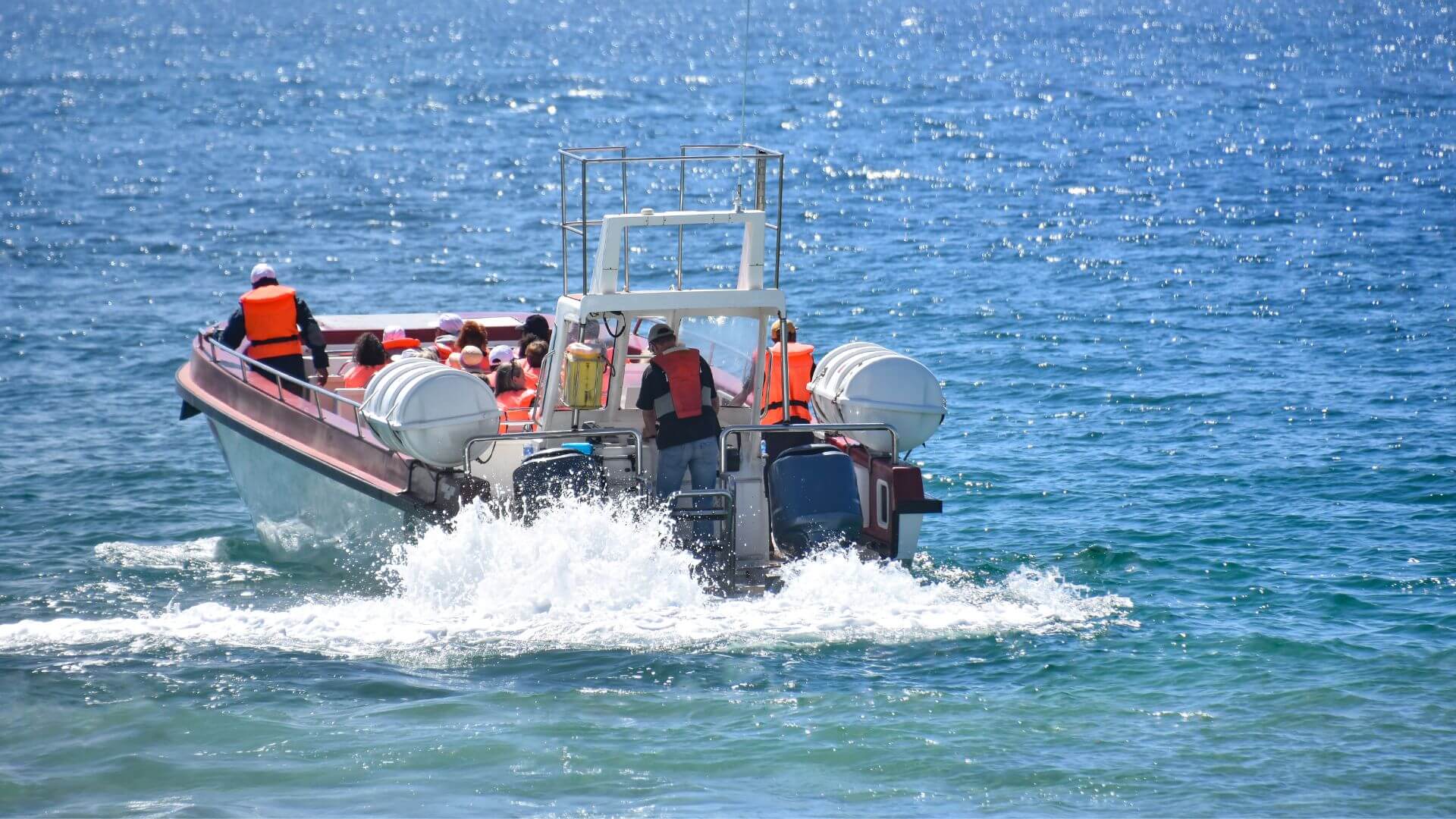
Spending several hours on the water is a different experience than being on land. Sun exposure, wind, motion, and long stretches of observation all shape how a whale watching tour feels from start to finish. While vessels are designed for comfort, a few personal essentials can make a noticeable difference in how relaxed and focused you feel once offshore.
Bringing the right items isn’t about overpacking or preparing for unlikely scenarios. It’s about anticipating common conditions most guests encounter and minimizing small discomforts before they become distractions. The following guide outlines practical items that support comfort, visibility, and ease of movement on a San Diego whale watching tour, helping you stay present and engaged throughout the trip.
Essentials That Support Comfort on the Water
Time offshore combines sun, wind, motion, and long stretches of observation. These aren’t bulky additions or complicated gear, just practical items that address common conditions most guests encounter on extended tours.
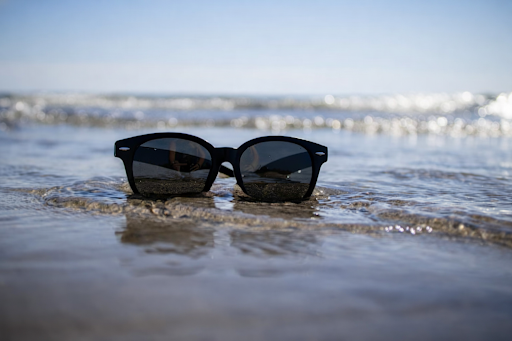
Sunglasses
Spending time on open water places steady demands on your eyes. Sunlight reflects off the ocean surface from multiple angles, and that brightness builds gradually as you scan the horizon, follow movement, and shift positions on deck. Over time, glare can cause eye strain and make it harder to focus on distant activity.
Sunglasses help manage this exposure. Polarized lenses reduce reflection, improve visual clarity, and make it easier to spot whale blows, fins, and surface movement against the water. Fit matters as well. Choosing sunglasses that sit securely on your face, or with a retaining strap, helps keep them in place when leaning over the rail or moving between deck levels, so they stay with you throughout the tour rather than ending up overboard.
Sunscreen
Sun exposure behaves differently on the water than it does on land. Light reflects off the ocean surface and reaches your skin from multiple angles, including from below, which increases overall UV exposure even when you’re not facing the sun directly. This effect builds gradually during time offshore, especially while standing on open decks for extended periods.
Cloud cover doesn’t eliminate this exposure. UV rays penetrate clouds and continue to reflect off the water, which means sun protection remains important even on cooler or overcast days when the sun doesn’t feel intense. Many guests underestimate how much exposure accumulates simply by being outside on the water.
Applying a broad-spectrum sunscreen with an SPF of 30 or higher before boarding helps protect exposed skin throughout the trip. Areas like the face, neck, ears (even the inside of ears), and hands receive the most consistent exposure. Water-resistant formulas tend to hold up better in windy or humid conditions, and reapplying during longer tours or midday departures helps maintain protection as conditions change.
Essentials for Wildlife Viewing
Once comfort is taken care of, attention naturally turns outward. Whale watching is defined by moments that appear and disappear quickly. Whales surface without warning, dolphins move fast, and seabirds dive and resurface in seconds. Having the right tools on hand makes it easier to follow this activity, capture fleeting moments, and stay engaged with everything happening around the boat.
Binoculars
Scanning for wildlife becomes more effective with magnification. Whales often surface at distances where details blur without optical help. A blow spout appears on the horizon. A dorsal fin rises and disappears. Binoculars help you track these moments and follow activity during transit between sighting locations.
Compact binoculars with 8x or 10x magnification balance weight and functionality. They’re light enough to hold steady for extended periods and powerful enough to reveal details—fluke patterns, feeding behavior, or distant whale groups. Avoid over-specifying models or features. Simple, reliable optics serve most guests well without adding complexity or bulk.
Camera or Smartphone
Moments happen quickly offshore. Whales breach without warning. Dolphins surface alongside the boat. Seabirds plunge into schools of fish. A camera with zoom capability or a smartphone with optical zoom captures these brief events without scrambling.
Secure straps or cases matter as much as the device itself. Loose items slide across decks when boats shift, and dropped electronics rarely survive saltwater exposure. Keep devices accessible but secured—clipped to a bag, worn on a wrist strap, or stored in a zippered pocket.
Frame this as optional rather than expected. Some guests prefer experiencing moments directly rather than through a screen. Others want visual records to review later. Either approach works. What matters is having a secure way to carry devices if you choose to bring them.
Motion Comfort Items
Motion sensitivity varies from person to person. Ginger chews, acupressure wrist bands, or motion-sickness medication can reduce discomfort, especially when taken or used before departure.
Wild Pacific Whale Watch’s vessel is equipped with twin Tohmei anti-rolling gyro stabilizers, which significantly reduce boat roll and help minimize motion. Even so, personal tolerance differs. Bringing a small comfort item addresses this variable without adding weight or complication to your bag.
What You Don’t Need to Bring
Certain items create more clutter than value once you’re on the water. Large backpacks take up space and make moving between deck levels cumbersome. Excess food adds weight without adding benefit, especially on tours where food is available onboard.
Multiple outfit changes aren’t necessary. Conditions shift, but layering handles temperature variations more effectively than packing several complete outfits.
Reducing clutter isn’t about restriction. It’s about making the experience easier to manage. Fewer items mean less to track, less to adjust, and more attention available for what’s happening on the water.What You Do Need to Bring
Considering a San Diego Whale Watching Trip
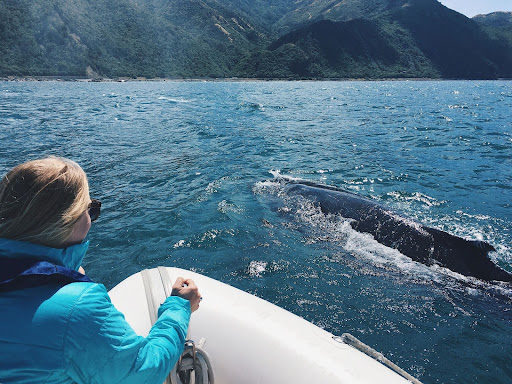
What makes a San Diego whale watching trip feel effortless rather than distracting? Bringing the right essentials isn’t about overpacking or preparing for emergencies. It’s about removing friction so your attention stays on the experience itself rather than managing discomfort or realizing mid-trip that something simple was left behind.
Having a few key items within easy reach helps you stay focused on the water. Whether you’re preparing for an upcoming tour or still deciding what kind of whale watching experience suits you best, understanding what actually supports comfort on the water makes it easier to enjoy the day from departure to return.
FAQs: What to Bring Whale Watching
How long are whale watching tours?
Most whale watching tours run between three and four hours from departure to return. This includes time transiting to whale-rich areas, observation periods, and the return trip to harbor. Longer tours may extend to five or six hours depending on wildlife activity and distance traveled.
Do I need binoculars to see whales?
Binoculars aren’t required, but they do enhance the experience. Whales are often spotted at distances where details become clearer with magnification. Blow spouts, fluke patterns, and feeding behavior are easier to track with binoculars, especially during transit between sighting locations.
Can I bring kids’ snacks or supplies?
Yes. Parents often bring familiar snacks, drinks, or comfort items for children. Small bags with essentials help manage long tours with younger guests. Keep items secure and avoid bringing more than needed, as space on deck is limited.
Are bags stored safely?
Indoor seating areas provide space for storing bags and larger items. Small bags that can be worn or secured on deck are easiest to manage. Avoid leaving valuables or electronics unsecured in outdoor areas where spray or shifting conditions could affect them.
What happens if the weather changes?
Vessel operators monitor weather conditions and adjust routes or timing as needed for safety. Indoor spaces provide shelter if wind or spray increases. Bringing a wind-resistant outer layer helps you adapt to changing conditions without discomfort. Tours typically proceed unless conditions become unsafe, in which case operators may reschedule or modify the route.
Should I bring medication for motion sickness?
If you’re sensitive to motion, bringing medication or natural remedies like ginger can help. Take medication before boarding as directed. Wild Pacific Whale Watch’s vessel includes gyro stabilizers that reduce roll, but personal tolerance varies. Proactive measures prevent discomfort from building during the tour.
Can I bring a large camera with multiple lenses?
You can, but managing heavy equipment on a moving vessel requires extra care. Secure straps, protective cases, and a stable bag help prevent damage or loss. Many guests find smartphones or compact cameras easier to handle while maintaining balance and adjusting position.
Is food or water available onboard?
Yes. Wild Pacific Whale Watch’s vessel, Peregrine, provides food and beverages onboard. Guests can purchase items during the tour or bring their own reusable water bottles and light snacks if preferred. Having your own supplies reduces interruptions and keeps hydration accessible throughout the trip.
If you’re planning a trip on the water, taking a moment to explore available San Diego whale watching tours can help you choose an outing that fits your schedule and comfort preferences. A little preparation makes the day feel relaxed from departure to return.