
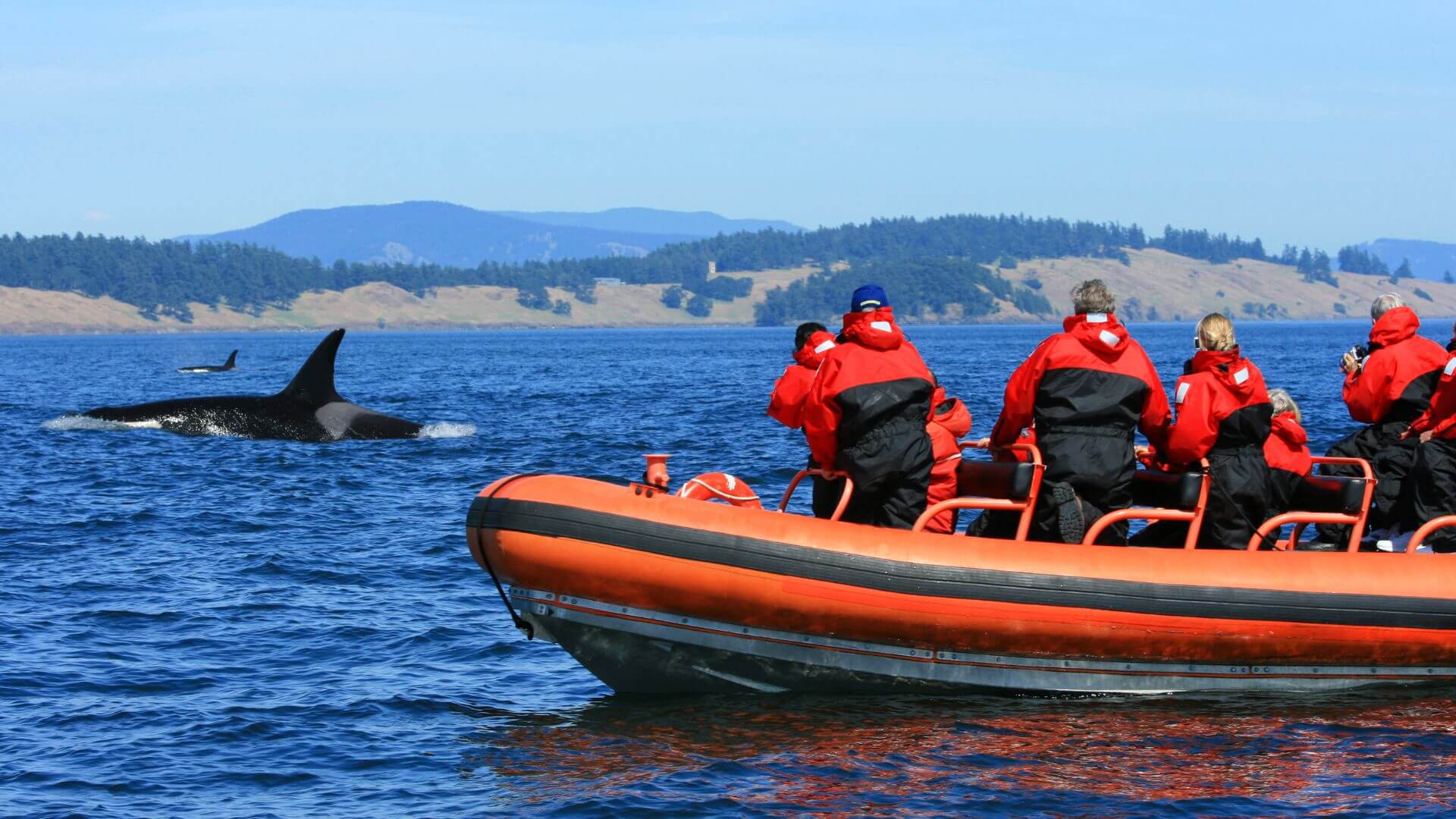
What should you expect to wear and bring on a whale watching tour in San Diego? Whether you are visiting for the first time or returning for another outing, preparation helps maintain comfort from boarding through time on the water.
By planning for changing conditions and dressing in adaptable layers, you set yourself up for a more comfortable and enjoyable day on the water. Simple choices, like wind-resistant outerwear, secure footwear, and sun protection, help you stay focused on the experience rather than the elements.
When you are ready to observe San Diego’s marine life from the water, booking a whale watching tour with clothing in mind helps the day run smoothly. You can explore upcoming departures and reserve your spot with Wild Pacific Whale Watch to enjoy a well-prepared experience on the water.
Layering for a San Diego Whale Watching Trip
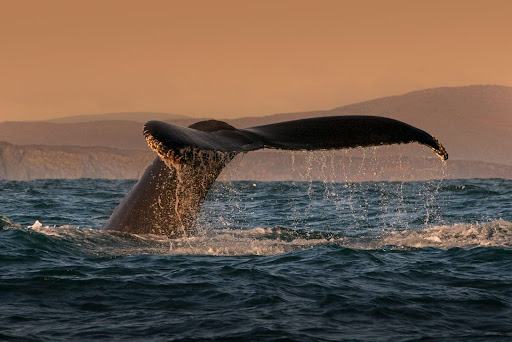
Staying comfortable on a San Diego whale watching tour comes down to dressing in layers. Offshore conditions can change quickly, and layering allows you to adjust easily as temperatures, wind, and exposure shift throughout the trip.
By implementing these simple layering and preparation strategies, you improve overall comfort during your trip and reduce distractions from wind, temperature changes, and sun exposure.
Choosing Upper-Body Layers for the Water
Start with a moisture-wicking base layer that keeps sweat away from your skin as conditions change on the water. Avoid cotton whenever possible, since it holds moisture and can make you feel cold if exposed to sea spray or wind. Lightweight, long-sleeve shirts or thermal tops made from synthetic blends or merino wool provide warmth without bulk and stay comfortable during movement on deck.
Mid-layers add flexibility as temperatures shift throughout the trip. Fleece jackets, hooded sweatshirts, or quilted vests offer insulation during cooler moments while remaining easy to remove if the sun comes out or activity levels increase. These layers help regulate body temperature without restricting movement.
Outer layers protect against wind and occasional spray. A water-resistant or waterproof, windproof jacket helps shield you from light rain and ocean breezes, which can feel cooler than expected even on clear days. Wind protection is especially important when standing still on deck, and water-resistant materials add comfort if you spend time near the bow where spray is more common.
Choosing Pants For Whale Watching
Lightweight hiking pants, athletic leggings, or comfortable chinos are well suited for whale watching tours on San Diego Bay. These options allow for easy movement and adapt well to changing temperatures.
Jeans are generally acceptable as long as they are comfortable and not restrictive. Styles with some stretch tend to work better. Keep in mind that pants with wind resistance and quick-drying properties often feel more comfortable, especially during longer outings or cooler conditions, since denim can retain moisture.
Headwear, Handwear, and Footwear
Covering extremities plays an important role in staying warm on the water. A beanie or stocking cap helps retain heat on cooler days, while a wide-brimmed hat or baseball cap provides sun protection in brighter conditions. Hats should be secured with a strap or toggle to prevent them from blowing away. Polarized sunglasses reduce glare off the water, protect your eyes from UV exposure, and make it easier to spot wildlife.
Footwear should be closed-toe with non-slip soles. Deck shoes, sneakers, or hiking shoes provide stability on moving decks and damp surfaces. Avoid flip-flops or high heels, which can be unsafe onboard. During winter months, lightweight gloves can help keep hands warm while still allowing enough dexterity for cameras or binoculars.
Seasonal Considerations: Summer vs. Winter Whale Watching
During summer months, mornings can be cool and breezy before warming later in the day, making light layers especially useful.
In winter, offshore winds and spray make wind-blocking outer layers more important, even when air temperatures on land feel comfortable. In both cases, layering allows you to adjust without overpacking.
San Diego’s climate is mild year-round, but conditions on the water vary by season, particularly offshore where wind and marine weather patterns differ from land-based forecasts (as reflected in NOAA marine observations).
Other Considerations for Whale Watching
Movement, Wind, and Staying Comfortable on Deck
Whale watching often involves periods of standing still while scanning the water, followed by short walks between viewing areas. Wind exposure increases once the vessel is underway, which can make temperatures feel cooler than expected. Wearing adjustable layers helps maintain comfort during these transitions without needing to return below deck frequently.
Sun Protection
Even on cool or overcast days, sun protection is mandatory because UV rays penetrate clouds and intensify when reflecting off the ocean surface. Apply a high SPF broad-spectrum sunscreen to all exposed skin, including your face, neck, ears, and hands, and reapply every couple of hours. A lip balm with SPF will protect your lips from both the sun and the drying wind.
Binoculars, Cameras and Smartphones
Moments happen quickly offshore. Whales breach, dolphins surface, or seabirds dive within seconds. A camera with zoom capability or a smartphone with a secure strap captures these moments without scrambling. Keep devices accessible but secured—loose items slide across decks when boats shift, and dropped electronics rarely survive saltwater exposure.
Boarding
Whale watching isn’t just the time spent on the boat. You’ll be boarding from the dock, spending time moving between decks, and returning to shore hours later under different conditions than when you left. Clothing that adapts across those transitions helps keep the day comfortable from start to finish.
Departures are conveniently located at H&M Landing near Shelter Island, an area easily accessible due to its proximity to both the airport and the city center. The vessel is designed with passenger comfort and ease of movement in mind, including a smooth ride, clean restrooms, and straightforward onboard access throughout the trip.
Quick What-to-Wear Checklist
For easy reference before boarding, consider the following essentials:
- Lightweight base layer made from moisture-wicking material
- Warm mid-layer such as a fleece or hoodie
- Wind-resistant or water-resistant outer jacket
- Comfortable pants that allow movement
- Closed-toe shoes with good traction
- Hat and sunglasses for sun or wind protection
This combination covers most conditions encountered on San Diego whale watching tours.
Preparing For Your Whale Watching Trip
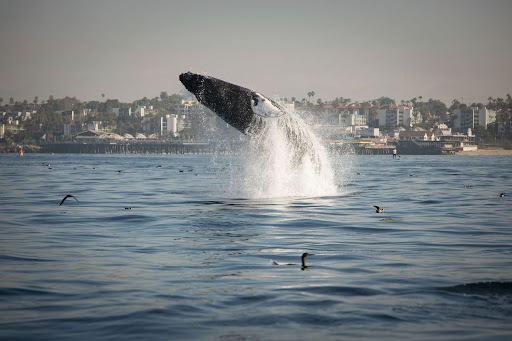
Ultimately, your San Diego whale watching experience will be much more enjoyable if you remember the three golden rules: versatile layers, long pants, and a comfortable closed-toe shoe.
With the right clothing, you’ll be set to focus entirely on the majestic whales and the breathtaking ocean views, making your tour a comfortable and memorable success.
Don’t wait, secure your perfect vantage point on the water today by reserving your tour with Wild Pacific Whale Watch and ensure your memorable adventure is a comfortable one.
Frequently Asked Questions About What to Wear Whale Watching in San Diego
Are jeans okay to wear on a whale watching tour?
Jeans are fine as long as they’re comfortable and allow for movement. Stretch denim or looser-fitting jeans work better than stiff or restrictive styles. Pants that block wind and dry quickly tend to feel more comfortable, especially during cooler months or longer tours.
What shoes work best on a whale watching boat?
Closed-toe shoes with good traction are recommended. Sneakers, hiking shoes, or boat shoes provide stability on moving decks and damp surfaces. Sandals, flip-flops, or shoes with smooth soles can feel unstable once the vessel is underway.
Is it colder on the water than on land?
Yes. Conditions offshore often feel cooler than they do at the dock, even on sunny days. Wind exposure increases once the boat leaves the harbor, and standing still for long periods can make temperatures feel lower than expected. Light layers and wind-blocking outerwear help manage these changes comfortably.
Do I need sunscreen if it’s cloudy or cool?
Sun exposure is often underestimated in cloudy weather, but UV rays reflect off the ocean surface and can reach skin even on overcast days or in cooler temperatures. Applying sunscreen before boarding helps protect exposed areas like the face, neck, and hands.
Are binoculars or cameras necessary?
They’re optional but helpful. Binoculars make it easier to scan the horizon and follow distant activity, especially during transit. Cameras or smartphones with zoom capability help capture moments when wildlife surfaces briefly. Secure straps or cases are recommended to prevent loss.
What should I avoid bringing on board?
Large bags, loose hats, and bulky items tend to create more hassle than value. Oversized backpacks take up space and make moving between decks harder. Small, secure bags that hold essentials are easier to manage throughout the trip.
How can I book a whale watching tour in San Diego?
Booking a whale watching tour with comfort in mind helps ensure a more enjoyable experience on the water. To secure your spot for an unforgettable day on the water, you can book a Wild Pacific Whale Watch tour online.